

PDF 위에서 바로 측정
축척을 설정하고 면적을 트레이싱하면, 모든 측정값은 시트 번호와 리비전을 그대로 지닌 채 물량 명세서에 기록됩니다.
물량 산출
물량 명세서
190개 이상의 기본 제공 모듈로 시작한 뒤 직접 모듈을 만들거나 설치하세요. 견적에서 BIM, 현장까지 오픈 API, 웹훅, 모듈 빌더와 함께 제공되어 플랫폼이 귀사가 쓰는 바로 그 소프트웨어가 됩니다.
명령 한 번으로 실행
pip install openconstructionerp
docker compose up -d


 +
더 많은 모듈
모듈 시스템 보기
+
더 많은 모듈
모듈 시스템 보기
전 과정이 원테이크로: 도면에서 수량산출, 마진이 붙은 물량 명세서, 현장 검사까지 하나의 데이터 모델 위에서.
하나의 앱과 데이터베이스에서 물량 산출, 견적, 계획, 구매, 시공, 정산까지 재입력 없이 처리합니다. 오픈소스, AGPL-3.0, 자체 서버, 개방형 내보내기 형식.

축척을 설정하고 면적을 트레이싱하면, 모든 측정값은 시트 번호와 리비전을 그대로 지닌 채 물량 명세서에 기록됩니다.
물량 명세서
레이어가 분리된 상태로 유지되므로, 주열식 흙막이벽은 그려진 도면의 일부가 아니라 그 자체로 측정됩니다.
물량 산출
모든 요소는 개수를 셀 수 있고, 층과 공종별로 필터링할 수 있으며, 명세서의 한 항목에 바로 연결됩니다.
물량 산출

명세서의 한 항목을 열면 그 산정에 쓰인 자원이 나오며, 각각 고유한 분류와 통화를 갖습니다. 터키산 자재는 리라로, 혼화제는 유로로, 합계는 달러로 유지됩니다.
4D 공정표 · 5D 원가
모든 단가는 최소값, 평균값, 최대값을 가지며, 몇 개의 견적 항목이 그 단가를 인용하는지 보여줍니다.
물량 명세서
지역과 카탈로그별로 단가와 복합단가를 찾아보거나 자체 단가를 유지하고, 노무비·자재비·장비비가 포함된 단가를 바로 명세서로 가져옵니다.
물량 명세서

예산, 기승인, 실적, 예측이 한 화면에 표시되며, 기성은 별도 시트에 입력하는 대신 같은 데이터에서 바로 읽힙니다. 여기서부터 예산 내에 착지하기 위해 필요한 성과지수를 알려줍니다.
원가와 기성의 대사
공정표는 명세서의 항목에서 생성되며 계속 연결된 상태를 유지하므로, 물량이 바뀌면 날짜도 함께 움직입니다.
4D 모델 · 기성
모든 리스크는 같은 프로젝트에서 가격이 매겨지고 평가되므로, 보유하는 예비비는 하단의 백분율이 아니라 명시된 리스크들의 합이 됩니다.
변경 지시

모든 문의는 공종, 마감일, 다음 차례가 누구인지를 지니며, 비용이 함께 도착한 답변은 곧바로 설계변경으로 이어집니다.
설계변경 · 서브미털 · BIM 뷰어
모든 점검은 체크리스트, 결과, 날짜를 지니므로, 하자는 누군가의 휴대폰 메모가 아니라 담당자가 있는 작업이 됩니다.
펀치리스트 · NCR · 인도
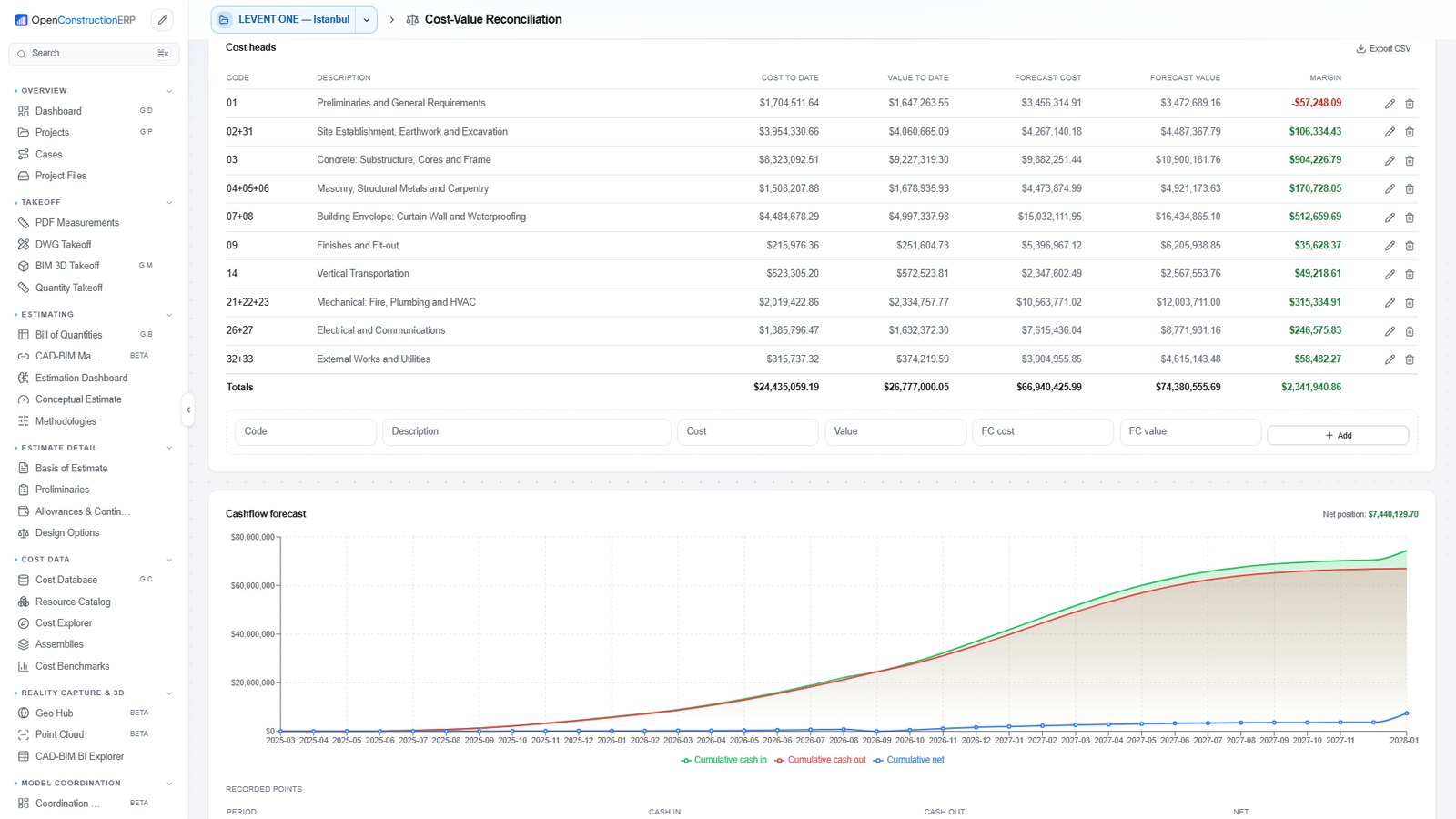
비목별 원가 대 기성을 각 행의 예측 및 마진과 함께, 준공까지 이어지는 현금흐름 곡선 위에 표시합니다. 한 비목은 마이너스 마진을 보이는데, 이것이야말로 대사를 수행하는 이유입니다.
현금흐름 · 기성청구
01로 돌아갑니다. 개정본이 도착하면 같은 네 단계가 같은 데이터 위에서 다시 진행됩니다.
위 주기는 네 개의 역할이 운영합니다. 추가로 19개 역할이 각자의 몫을 운영하며, 각각 서로 다른 모듈 세트를 받습니다.
적산, 입찰, BIM, 물량, 공정, 품질, 안전, 자금 흐름, 현장 관리. 필요한 것만 켜거나 직접 만드세요.
다운로드
Windows, macOS, Linux용 네이티브 데스크톱 버전입니다. 하나의 설치 프로그램이 자체 내장 데이터베이스와 함께 전체 플랫폼을 설치하므로 별도로 설정할 것이 없습니다. 무료, 오픈소스이며 데이터는 절대 디스크를 벗어나지 않습니다.
Windows 10/11 - 64비트 설치 프로그램
macOS 10.15+ - Apple Silicon
AppImage, deb, rpm
curl -fsSL https://openconstructionerp.com/install.sh | sh명령 한 줄이면 실행됩니다
설치한 다음 실행
pip install openconstructionerp한 줄, 앱과 데이터베이스까지
docker compose up화면, 단가 데이터베이스, 보고서가 함께 전환되어 바르샤바의 설계자와 리옹의 현장소장이 같은 프로젝트를 각자의 언어로 읽습니다. 여기에서 확인해 보세요.
견적, 물량 산출, 공정, 문서, 품질, CAD/BIM 가져오기까지 모두 다운로드에 들어 있습니다. 40개 이상 시장의 원가 데이터와 44개 인터페이스 언어도 함께 제공됩니다. 유료 등급도, 사용자 수 제한도 없습니다.
계정도 없고 중간에 클라우드도 없습니다. 프로젝트는 사용자 디스크의 폴더에 남고, 네트워크를 꺼도 전부 그대로 동작합니다.
데이터베이스, 서버, 화면이 하나의 프로그램으로 제공됩니다. 업데이트는 다음 설치 파일을 실행하는 것이며, 제거하면 데이터 폴더만 남습니다.

I love how OpenConstructionERP goes beyond my expectations and is as complete as it gets for open-source apps. [...] The most valuable aspect for me is the cost data feature, which is typically hard to find. Additionally, the initial setup was very easy.
Open-source, customizable software, built by professionals in the field
“Free, local, and has PDF measurement with a large cost-item database. [...] For small contractors and freelance estimators, it's a solid free option for simple jobs.”
“Not just another BIM tool. It is an attempt to build an open-source ERP for construction. [...] It is open source and can be self-hosted.”
“This isn't AI replacing estimators or planners. It's AI handing them better-structured data, faster reviews, and fewer soul-crushing manual steps.”
탄탄한 전산팀과 개발 예산.
이미 가지고 계신 노트북과 십 분 남짓.
같은 빌드가 노트북, 임대 서버, 자체 랙에서 동작합니다. 작게 시작해 나중에 확장하고, 다시 쓸 필요는 없습니다.
pip install openconstructionerp메모리 3GB가 최소 요구 사항입니다. 사무실과 현장이 브라우저에서 같은 프로젝트를 엽니다.
팀 전체, 어디서나docker compose up -d자체 네트워크 안에서 동작합니다. 도면, 원가, 계약이 회사가 통제하는 장비에 남습니다.
회사 전체, 건물 밖으로 나가지 않음terraform apply폐쇄형 ERP는 그들의 방식을 강요하고 변경마다 비용을 청구합니다. 오픈 코드라면 소프트웨어를 회사에 맞게 바꿀 수 있고, 만든 것은 모두 여러분의 것입니다.
소프트웨어 자체를 바꾸세요
회사가 일하는 방식대로 운영
이미 쓰는 도구와 연결
설치부터 인계까지, 앱 안의 실제 프로젝트로 보여 주는 짧은 안내 영상입니다.
 4:41
How to Install OpenConstructionERP | Windows Setup & First Project
Windows에 설치하고, 샘플 프로젝트를 열고, 언어와 지역을 설정하고, 모듈을 고르고, 팀을 초대하세요.
4:41
How to Install OpenConstructionERP | Windows Setup & First Project
Windows에 설치하고, 샘플 프로젝트를 열고, 언어와 지역을 설정하고, 모듈을 고르고, 팀을 초대하세요.
 12:00
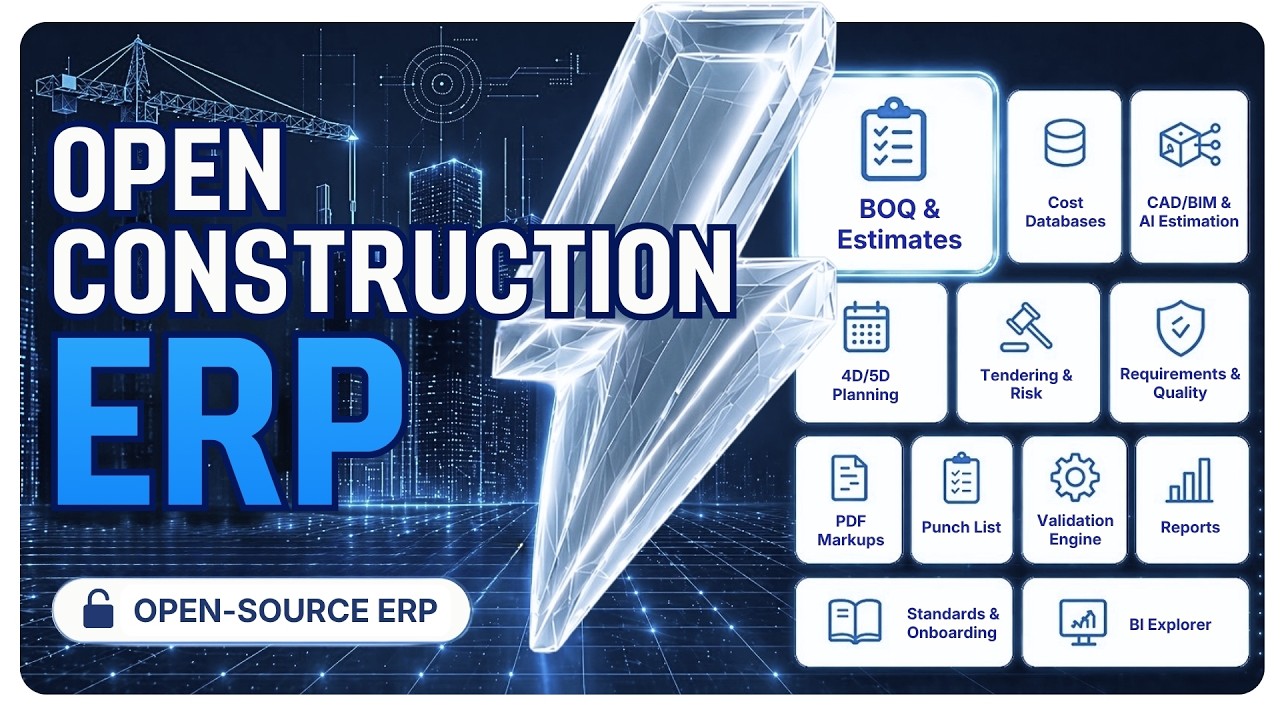
물량, BOQ, AI 견적 산출. 당신의 노트북에서.
전체 흐름을 짧게 소개합니다. 도면을 넣으면 견적이 나옵니다.
12:00
물량, BOQ, AI 견적 산출. 당신의 노트북에서.
전체 흐름을 짧게 소개합니다. 도면을 넣으면 견적이 나옵니다.
 4:48
Build a Construction Estimate Step by Step
Builder's Playbook: Getting Started
4:48
Build a Construction Estimate Step by Step
Builder's Playbook: Getting Started
 5:55
Mengen aus PDF und DWG ermitteln
Lernprojekt Landshut
5:55
Mengen aus PDF und DWG ermitteln
Lernprojekt Landshut
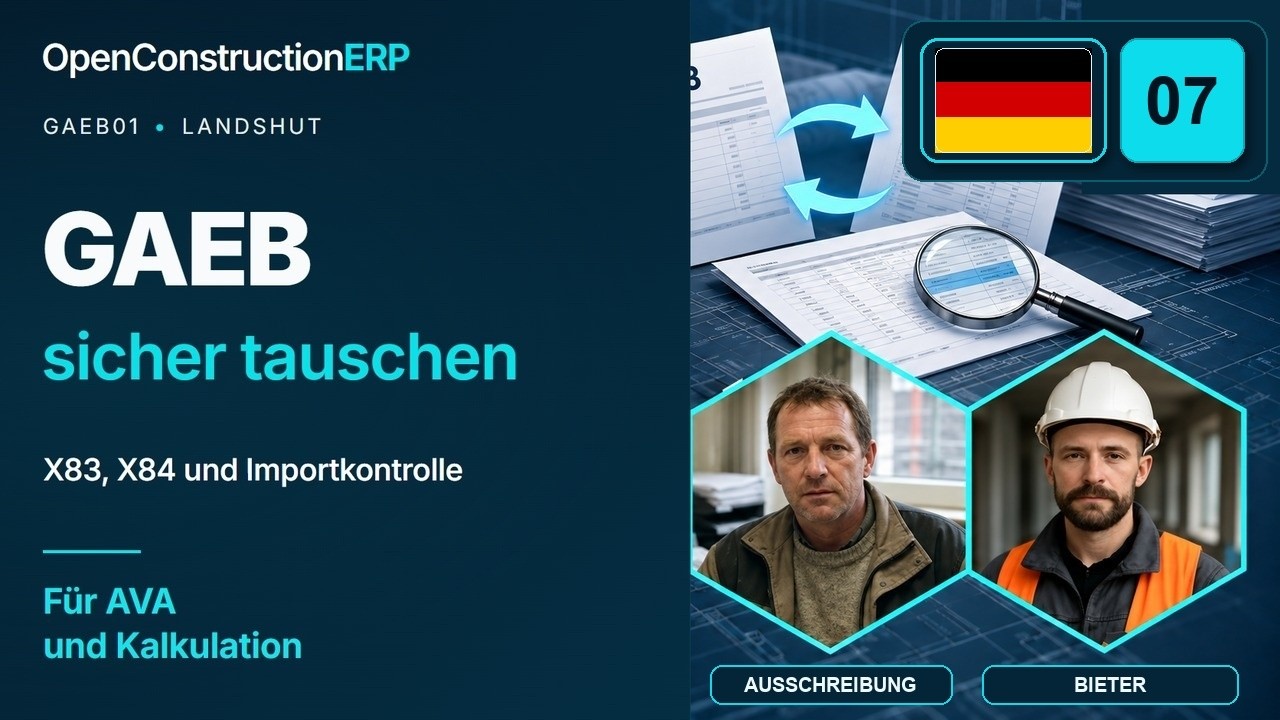 5:34
GAEB-Dateien kontrolliert austauschen
Lernprojekt Landshut
5:34
GAEB-Dateien kontrolliert austauschen
Lernprojekt Landshut
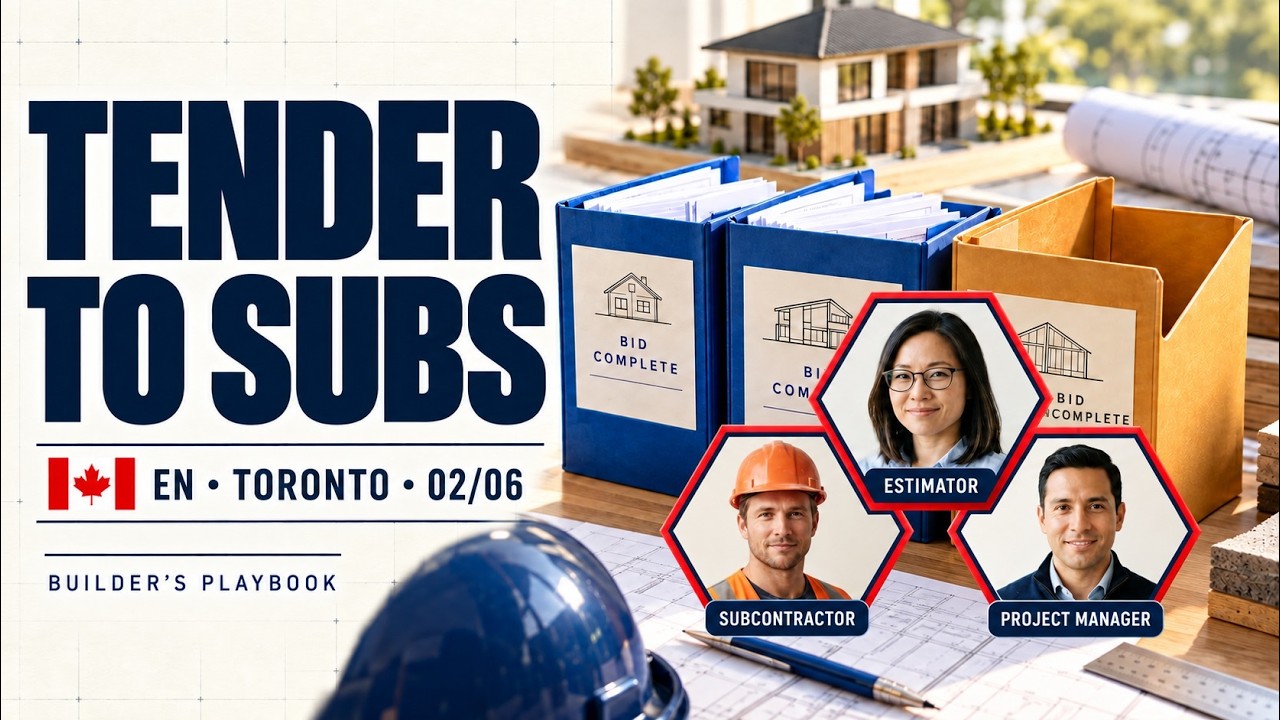 4:23
Tender Work to Subcontractors
Builder's Playbook Canada: Ontario
4:23
Tender Work to Subcontractors
Builder's Playbook Canada: Ontario
 4:45
Manage Construction Change Orders
Builder's Playbook Canada: Ontario
4:45
Manage Construction Change Orders
Builder's Playbook Canada: Ontario
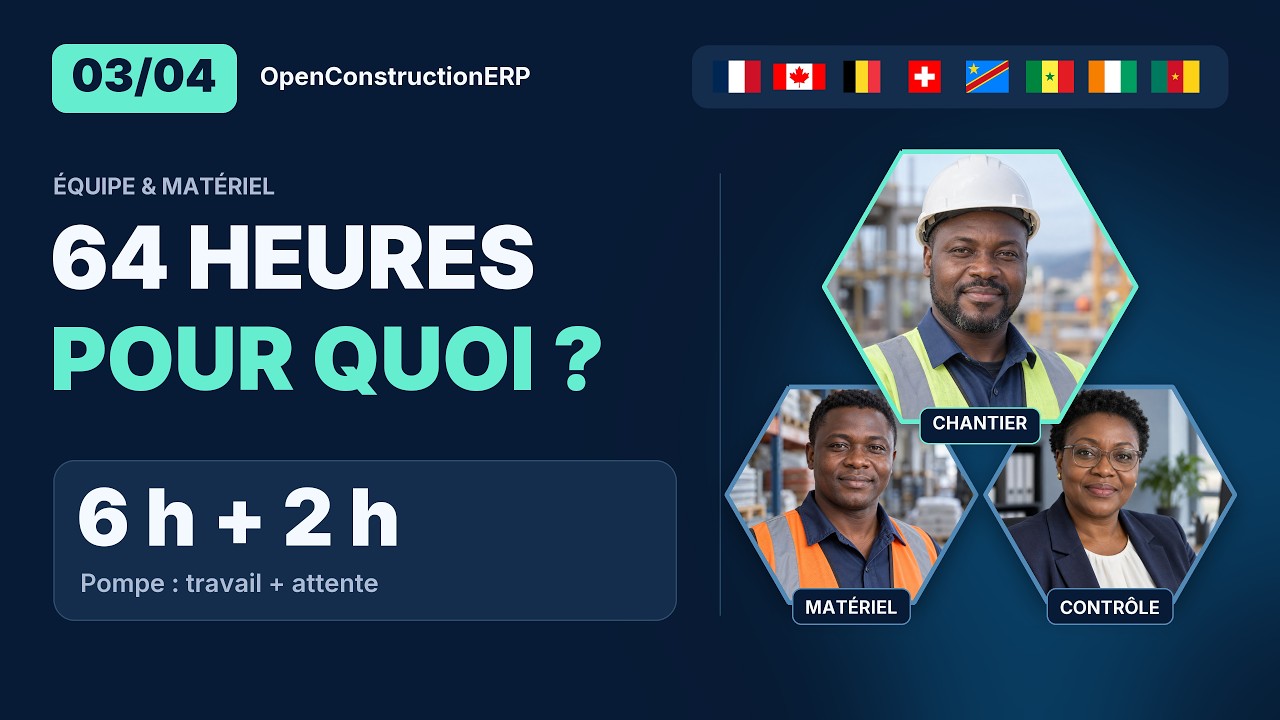 5:23
Chantier : suivre les heures et le matériel
Builder's Playbook : gestion de chantier
5:23
Chantier : suivre les heures et le matériel
Builder's Playbook : gestion de chantier
 3:44
Réception des travaux et déficiences
Builder's Playbook Québec
OpenConstruction Academy
영어, 독일어, 프랑스어 전체 시리즈
YouTube에서 모든 동영상 보기
3:44
Réception des travaux et déficiences
Builder's Playbook Québec
OpenConstruction Academy
영어, 독일어, 프랑스어 전체 시리즈
YouTube에서 모든 동영상 보기
국가마다 하나의 프로젝트를 그 나라 언어로, 첫 견적부터 인도까지.
 10개 영상
USAENBuilder's Playbook USA: Construction Management with OpenConstructionERP
10개 영상
USAENBuilder's Playbook USA: Construction Management with OpenConstructionERP
 6개 영상
6개 영상
 EnglandENBuilder's Playbook UK: Construction in England
 6개 영상
CanadaENBuilder's Playbook: Canada
6개 영상
CanadaENBuilder's Playbook: Canada
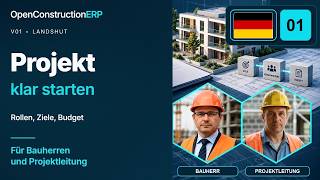 12개 영상
 LandshutDEOpenConstructionERP auf Deutsch: vom Projektstart bis zur Übergabe
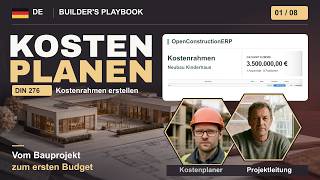 8개 영상
DIN 276DEKostenplanung nach DIN 276: vom Kostenrahmen bis zur Schlussrechnung
8개 영상
DIN 276DEKostenplanung nach DIN 276: vom Kostenrahmen bis zur Schlussrechnung
 4개 영상
4개 영상
 FrancophoneFROpenConstructionERP en français: gérer un chantier
 5개 영상
QuébecFRBuilder's Playbook: Québec
5개 영상
QuébecFRBuilder's Playbook: Québec
 8개 영상
8개 영상
 EspañaESBuilder's Playbook España: presupuestos, certificaciones y control de obra
 7개 영상
7개 영상
 ItaliaITBuilder's Playbook Italia: computo, SAL e costi di cantiere
 9개 영상
9개 영상
 БългарияBGBuilder's Playbook България: управление на строителен обект
 5개 영상
5개 영상
 HrvatskaHRBuilder's Playbook Hrvatska: gradnja u Hrvatskoj
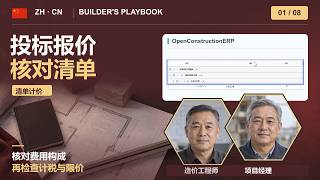 8개 영상
8개 영상
 中国ZHBuilder's Playbook 中国:工程造价与施工管理
각 플레이북은 실제 건설 워크플로를 단계별로 안내하며, 단계마다 무엇을 왜 해야 하는지 알려 줍니다.
293개 플레이북, 8개 분야
특정 시장을 위해 작성됨Germany13Australia10Brazil10Canada10China10Spain10United Kingdom10Hungary10India10Mexico10New Zealand10Russia10Saudi Arabia10United States10South Africa10





현재 릴리즈 기준 수치입니다. 읽으실 때쯤 일부 수치는 이미 오래된 정보일 수 있습니다 - 저장소는 빠르게 진화합니다.
공종 및 복합단가별로 즉시 사용 가능한 단가 항목.
IFC, DWG/DGN, Excel/CSV, PDF 등 20개 이상의 입력 형식 - 그리고 하나의 표준 모델에서 40개 이상의 출력 형식.
현장 워크플로우 전체를 아우르는 플러그인 모듈 - 프로젝트, BOQ, 수량산출, 입찰 등.
AGPL-3.0 기반 오픈소스 코어. 벤더 종속 없음. 데이터는 고객 소유.
모든 단가 뒤에는 레시피가 있습니다. 작업에 실제로 드는 노무 시간, 자재, 장비 시간이며, 여러분의 시장에 맞게 다시 가격을 매길 수 있습니다.
 Russia · CWICRGESN / FER / TER
 TurkiyeBirim FiyatChinaDinge
 BrazilSINAPISpain · AndaluciaBCCA · FIEBDC-3Italy · ToscanaPrezzario Regione Toscana
 VietnamDinh Muc
 IndonesiaAHSP
 GreeceGGDE
위 원가 기준 데이터로 작성한 실제 예시
각 원가 기준은 고유한 항목과 항목 코드를 갖습니다. 가격이 매겨진 기준은 동일 조건 비교를 위해 유로로 표시되며, 계수 기반 기준은 국가 표준의 자원 수량을 보여줍니다. 설명은 선택한 언어 그대로 유지됩니다.
운영하는 회사 유형을 고르면 그 역할에 필요한 모듈이 하나의 데이터베이스로 연결되어 켜집니다. 프로필에 마우스를 올리면 모듈 벌집이 켜지는 것을 볼 수 있습니다.
모든 프로필은 항상 켜져 있는 플랫폼 코어를 그대로 유지합니다: 프로젝트, 원가 데이터베이스, 자원 카탈로그, 조립 항목, 대시보드, 관리 기능. 프로필은 어떤 기능도 잠그지 않으며, 단지 해당 업무에 가장 중요한 모듈을 앞세울 뿐이고, 어떤 모듈이든 나중에 추가하거나 제거할 수 있습니다.
 PDMS
PDMS
 Brevart
 Tekhne
 ATMIID
 Optimum Technology
 Erbud
Erbud
 AtkinsRéalis
 Mace Group
 Swietelsky
 Teichert
 Elevait
 MAD Engineers
 Construccions 360 Plus
PDMS
Brevart
Tekhne
ATMIID
Optimum Technology
Erbud
AtkinsRéalis
Mace Group
Swietelsky
Teichert
Elevait
MAD Engineers
Construccions 360 Plus
Construccions 360 Plus
PDMS
Brevart
Tekhne
ATMIID
Optimum Technology
Erbud
AtkinsRéalis
Mace Group
Swietelsky
Teichert
Elevait
MAD Engineers
Construccions 360 Plus
 LMH
LMH
 ILO
ILO
 Niven Builders
 DK Construction
 Consolis
 Colas
Colas
 Max Bögl
 Colas Rail
 Unispace
 Arkad
Arkad
 Basil Read
 C&C Consulting
LMH
ILO
Niven Builders
DK Construction
Consolis
Colas
Max Bögl
Colas Rail
Unispace
Arkad
Basil Read
C&C Consulting
C&C Consulting
LMH
ILO
Niven Builders
DK Construction
Consolis
Colas
Max Bögl
Colas Rail
Unispace
Arkad
Basil Read
C&C Consulting
 Tegrity Contractors
 PW Pole Barns
 Digitarh
 Overzicht
 CSTB
CSTB
 Midea
Midea
 Forida
 Yutopias
 Matrits
 Virtuza
Tegrity Contractors
PW Pole Barns
Digitarh
Overzicht
CSTB
Midea
Forida
Yutopias
Matrits
Virtuza
Virtuza
Tegrity Contractors
PW Pole Barns
Digitarh
Overzicht
CSTB
Midea
Forida
Yutopias
Matrits
Virtuza
 Sodexo
Lodha GroupLodha Group
Sodexo
Lodha GroupLodha Group
 IC İçtaş
L&QL&Q
IC İçtaş
L&QL&Q
 Rhomberg Sersa Rail Group
 The Beck Group
 Woolpert
 Stecol
 Tucrail
Sodexo
Lodha GroupLodha Group
IC İçtaş
L&QL&Q
Rhomberg Sersa Rail Group
The Beck Group
Woolpert
Stecol
Tucrail
Tucrail
Sodexo
Lodha GroupLodha Group
IC İçtaş
L&QL&Q
Rhomberg Sersa Rail Group
The Beck Group
Woolpert
Stecol
Tucrail
GitHub의 AGPL-3.0. Issue와 로드맵이 거기 있고, 앞으로의 계획과 지난주 문제는 commit log에서 확인합니다.
모든 issue와 로드맵 항목은 GitHub에 공개됩니다. 정확한 설명과 함께 issue를 열면 구현하고 제안자로 크레딧을 드립니다.
직접 확인할 수 있는 단순한 사실입니다. 개방형 라이선스, 개방형 형식, 그리고 여러분 자신의 서버에 있는 데이터입니다.
솔직한 비교입니다. 상용 제품군은 오래 비용을 들인 일부 통합에서 앞서지만, 나머지는 OpenConstructionERP가 동등하거나 낫고 라이선스 비용이 없습니다.
| 기능 | OpenConstructionERP | 엔터프라이즈 견적 제품군 | 토목 입찰 도구 | 레거시 건설 ERP |
|---|---|---|---|---|
| 오픈소스 코어 (AGPL-3.0) | ✓ | ✕ | ✕ | ✕ |
| 자체 인프라 자체 호스팅 | ✓ | ~ | ✕ | ~ |
| PDF / 사진 기반 AI 수량산출 | ✓ | ~ | ✕ | ✕ |
| 멀티 CAD 수집 (DWG / RVT / IFC / DGN) | ✓ | ✓ | ✕ | ✕ |
| 기본 제공되는 12만 개 이상의 원가 항목 | ✓ | ~ | ✓ | ~ |
| 실시간 멀티플레이어 (CRDT) | ✓ | ✕ | ✕ | ✕ |
| 코어 i18n에 44개 언어 | ✓ | ~ | ✕ | ~ |
| 모듈형 플러그인 아키텍처 | ✓ | ✕ | ✕ | ✕ |
| 일반 비용 / 좌석 / 연 | € 0 · 자체 호스팅 | 사용자당 라이선스 | 사용자당 라이선스 | 사용자당 라이선스 |
| 구축 / 온보딩 | € 0 · 문서 + 커뮤니티 | 유료 도입 프로젝트 | 유료 도입 프로젝트 | 유료 도입 프로젝트 |
| 계약 기간 | 없음 · 언제든 해지 | 1-3년 종속 | 1-3년 종속 | 3-5년 종속 |
모든 기능은 독립된 패키지입니다. 끼워 넣거나 빼면, 실행 중인 설치본이 다운타임 없이 몇 초 안에 인식합니다.
모든 기능은 manifest가 있는 Python 패키지이며 리빌드 없이 추가됩니다. 타입이 지정된 API와 자동 생성되는 OpenAPI 명세.
make module-new로 스캐폴딩# Sign in and keep the access token $ TOKEN=$(curl -s -X POST http://localhost:8080/api/v1/users/auth/login \ -H "Content-Type: application/json" \ -d '{"email": "you@example.com", "password": "..."}' \ | jq -r .access_token) # Create a project $ curl -X POST http://localhost:8080/api/v1/projects/ \ -H "Authorization: Bearer $TOKEN" \ -H "Content-Type: application/json" \ -d '{"name": "Logistics Hub", "region": "DACH", "classification_standard": "din276", "currency": "EUR"}' # → HTTP 201 Created, the new project as JSON # Every route: http://localhost:8080/api/docs
# backend/app/modules/punchlist/manifest.py
from app.core.module_loader import ModuleManifest

manifest = ModuleManifest(
    name="oe_punchlist",
    version="0.1.0",
    display_name="Punch List",
    description="Track deficiencies and snag items with photo evidence",
    category="core",
    depends=["oe_projects"],
    auto_install=True,
    enabled=True,
)

# The loader finds the package and mounts its router
# at /api/v1/punchlist.
일부러 보수적인 선택. 모두 오픈소스.
플랫폼은 소프트웨어의 개방된 중심에 있습니다. 개방형 형식, 문서화된 API, webhook이 견적, 모델, 재무를 동기화하며 어떤 것도 갇히지 않습니다.
AI 대응 데이터 및 API
No Revit. No AutoCAD.
RVT, DWG and IFC as data, fully standalone
Our converters read Revit 2019 to 2027, AutoCAD DWG and IFC files on your own Windows computer, offline, nothing uploaded. Professional-grade readers, and the Community version is free for everyone.
청구서, 원가 내역, 클레임이 재입력 없이 바로 재무로 들어갑니다.
모델과 도면은 설계 도구에서 들어오고 검토 이슈는 다시 돌아갑니다.
도면, 계약서, 보고서가 문서 저장소와 동기화된 상태로 유지됩니다.
최신 프로젝트 수치가 대시보드에 바로 반영되어 붙여 넣을 필요가 없습니다.
작업과 선후 관계가 공정표와 견적 사이를 양방향으로 오갑니다.
프로젝트 이벤트가 워크플로를 시작하고, 워크플로는 API를 다시 호출합니다.
상표는 각 소유자의 것이며, 호환성을 나타내기 위해 표시됩니다.
의도적으로, 락인이 없습니다.
모든 수치는 내보낼 수 있고, 형식은 개방형이며, 앱을 구동하는 것과 동일한 문서화된 API가 여러분에게도 열려 있습니다. 데이터는 계속 여러분의 것입니다. 언제든 가지고 나갈 수 있습니다.
연동 및 API 문서 읽기OpenConstructionERP는 10년에 걸친 오픈 건설-테크 리서치에서 자라났습니다.
지난 10년 동안 저희 팀은 건설 프로젝트의 자원 관리를 다뤄 왔습니다. 그 과정에서 설계 자동화의 첫 시도부터 오늘날의 ERP 플랫폼까지, 업계의 도구가 어떻게 만들어졌는지 궁금해졌고, 그것이 두 편의 긴 글이 되었습니다 (“The Lobbyists’ Wars and the Development of BIM”, “The History of the BIM Map”). 어떻게 여기까지 왔는지 모르면 앞으로 어디로 가는지 보기 어렵습니다.
오랜 기간 이 주제로 꽤 많은 글을 썼고, 일부는 많은 독자에게 읽혔습니다. 글쓰기와 함께 건설사, 컨설팅 회사, 개발사, 소프트웨어 업체에 프로젝트 데이터를 의사결정의 부산물이 아니라 기반으로 다루는 방법을 자문해 왔습니다. 덕분에 도구를 만드는 사람과 매일 쓰는 사람이라는 양쪽에서 업계를 볼 수 있었습니다. 그 관찰의 상당수는 현재 16개 언어로 제공되는 책 Data-Driven Construction에 담겼습니다 (datadrivenconstruction.io/books).
다른 두 가지 문제도 있었습니다. 하나는 열리도록 만들어지지 않은 독점 파일 형식에 개발자가 아닌 사람도 접근하게 돕는 일이었고, 다른 하나는 자원 모델로 건설 작업을 더 깔끔하게 기술할 방법을 찾는 일이었습니다. 둘 다 무료 도구가 되었습니다. GitHub의 DDC CAD/BIM 변환기(IFC, DWG, DGN → 구조화된 데이터)와, 11개 언어로 12만 개 이상의 항목을 담은 건설 작업·자원 다국어 데이터베이스 CWICR이며, OpenConstructionEstimate-DDC-CWICR로 공개되어 있습니다.
이 모든 것은 오래전부터 만들고 싶었던 것, 즉 건설을 위한 개방형 모듈식 ERP의 밑작업이었습니다. 최신 세대의 도구 덕분에 방법론, 데이터 모델, 이전 구현을 마침내 하나의 플랫폼으로 모을 수 있게 되었습니다. 지금은 공개되어 있고 오픈 소스입니다.
진보는 대화에서 태어납니다 - 시각의 충돌과 새로운 접근에 대한 개방성에서. 건설 산업의 피할 수 없는 '우버화', 그리고 건설 프로젝트의 비용 및 시간 견적 프로세스의 투명성에 관한 이 대화에 함께 해주신다면 매우 감사하겠습니다.
DataDrivenConstruction Team
창립자, datadrivenconstruction.io
 AECOM
AECOM
 Drees & Sommer
 VINCI Energies
 Lindner
 Artelia
 bechtle
 Merck
Merck
 RBS wave
AECOM
Drees & Sommer
VINCI Energies
Lindner
Artelia
bechtle
Merck
RBS wave
RBS wave
AECOM
Drees & Sommer
VINCI Energies
Lindner
Artelia
bechtle
Merck
RBS wave
 Shapemaker
 Scholze-Thost
 VRAME
VRAME
 AXIA Energia
 AFRY
AFRY
 Hofschröer
 TDF
TDF
 Renaissance Construction
Shapemaker
Scholze-Thost
VRAME
AXIA Energia
AFRY
Hofschröer
TDF
Renaissance Construction
Renaissance Construction
Shapemaker
Scholze-Thost
VRAME
AXIA Energia
AFRY
Hofschröer
TDF
Renaissance Construction
 Hyundai AutoEver
 Sintagma
 Trafikverket
 TMM Group
 Dar Al Riyadh
 pbs Ingenieure
 ZPP
ZPP
 SCON GmbH
Hyundai AutoEver
Sintagma
Trafikverket
TMM Group
Dar Al Riyadh
pbs Ingenieure
ZPP
SCON GmbH
SCON GmbH
Hyundai AutoEver
Sintagma
Trafikverket
TMM Group
Dar Al Riyadh
pbs Ingenieure
ZPP
SCON GmbH
대부분의 토목 설계 파일은 사실상 데이터 감옥입니다. 선형, 지형, 물량 같은 유용한 정보가 잔뜩 있지만, 원래 소프트웨어 밖에서는 잘 동작하도록 만들어지지 않은 포맷 안에 갇혀 있죠. '이 현장에 맨홀이 몇 개 있지?', '단계별 토량은 얼마지?' 같은 간단한 질문에 답하려다가, 데이터가 DWG나 DGN 안에 다섯 겹이나 파묻혀 있다는 걸 알게 되기까지 시간을 너무 많이 허비했습니다. Data Driven Construction은 이 문제를 해결합니다. 이들의 변환기는 이런 닫힌 포맷을 열어, Power BI든 Excel이든, 멋을 좀 부리고 싶다면 LLM 프롬프트든, 실제로 쓸 수 있는 구조화된 데이터를 제공합니다. 화려하진 않지만 엄청나게 유용합니다. 스크린샷과 PDF를 넘어 설계 데이터를 실제로 활용하려 한다면, 이게 그걸 가능하게 해주는 도구입니다. 추측하는 것과 아는 것의 차이죠. 솔직히 이걸로 토요일 아침을 여러 번 아꼈습니다.

DataDrivenConstruction과 함께 이 흐름에 동참하세요! 데이터 포맷의 진정한 자유를 현실로 만들고, 건설업의 생산성과 혁신의 새로운 시대를 이끌어냅시다. 폐쇄적인 포맷에서 개방된 포맷으로 가는 실질적이고 꼭 필요한 여정은 아직 시작조차 되지 않았습니다. 특정 기업에 종속되지 않고 누구나 접근할 수 있는 데이터 포맷의 진정한 자유야말로 건설업 전반의 혁신과 협업을 열어젖히는 데 필요한 것이며, 특히 건설업의 99%를 차지하는 중소기업에 혜택을 주고 이 업계의 성장 속도를 높일 것입니다.

AGPL-3.0 아래에서 무료로 직접 운영하거나, 지원이나 컨버터 라이선스가 필요할 때 상용 플랜을 선택하거나, 파트너가 되세요.
디스커버리 → 워크숍 → 모듈 선정 → 구축 → 당신의 하드웨어에 배포. 소스 코드 제공.
실전 세션: 견적, BIM에서 BOQ로의 변환, AI 물량 산출, GAEB 파이프라인. 팀 자료실용으로 녹화됩니다.
표준 매핑, 원가 데이터베이스 전략, 파이프라인 아키텍처, 코드 리뷰.
공개 가능한 워크숍만 게재합니다. 대부분의 대형 기업 프로젝트는 NDA 대상입니다.
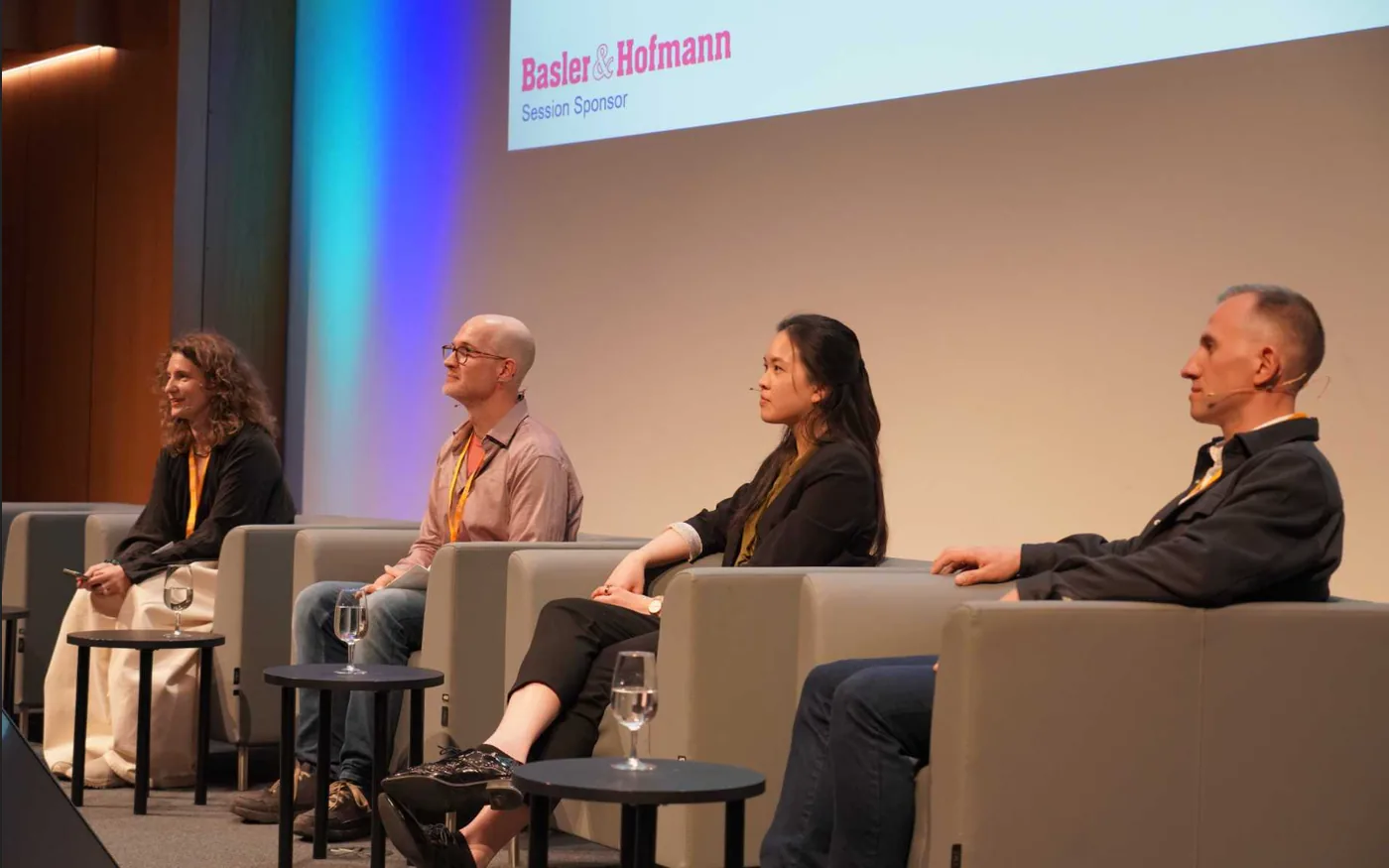


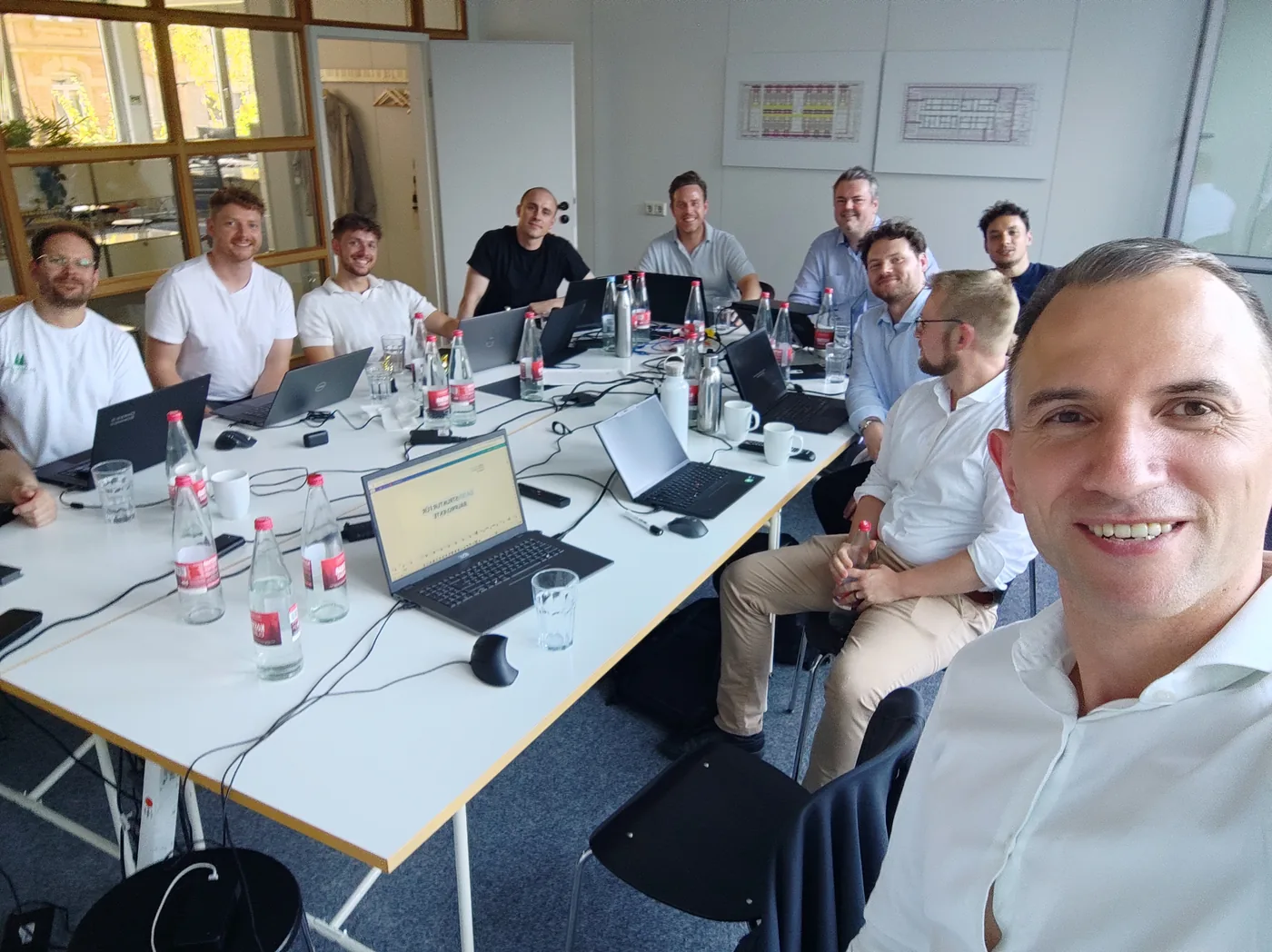


환상적인 워크숍이었습니다, 아르템! 준비가 한창입니다! 새해 해커톤이 벌써 기대됩니다! 💪🏻

건설 프로세스를 단지 조직화하는 데 그치지 않고 지능적으로 분석하면 어떤 일이 벌어질까요? 이것이 아르템 보이코와 함께한 ‘Data-Driven Construction’ 워크숍의 주제였습니다. 핵심 질문은 이것이었습니다: 우리는 기존 데이터를 어떻게 더 잘 활용할 수 있을까-건설 프로젝트를 더 효율적이고 더 투명하며 오류에 덜 취약하게 만들기 위해. 구체적인 사례를 통해 아르템은 구조화된 건설 데이터가 어떻게 전체 그림을 유지하고, 추가 사항을 조기에 파악하며, 설계와 시공 간의 커뮤니케이션을 개선하는 데 도움이 되는지 보여주었습니다. 특히 흥미로웠던 점은 디지털 도구와 모델이 오늘날 이미 프로세스 자동화에 어떻게 활용될 수 있는가입니다. 데이터 기반 건설은 더 이상 미래의 주제가 아니라-우리는 그 한가운데에 있습니다. 워크숍은 우리가 함께 일하고 데이터가 진정으로 우리를 위해 일하도록 할 때 그 잠재력이 얼마나 큰지를 보여주었습니다.

아르템 보이코는 Shapemaker 팀 전체에 뛰어난 발표를 진행해 엔지니어링 소프트웨어로부터의 데이터 마이그레이션과 관련 주제에 대한 깊은 통찰을 제공했습니다. 그의 전문성과 명료한 커뮤니케이션은 복잡한 개념을 쉽게 이해할 수 있게 해주었고, 우리 팀이 즉시 적용할 수 있는 실용적인 지식을 갖추게 해주었습니다. 이 분야에서 명확성과 실행 가능한 전략을 찾는 모든 분들께 그의 서비스를 적극 추천합니다!

DataDrivenConstruction 워크숍은 매우 흥미로웠습니다. 제 생각엔 모두가 잘 따라갈 수 있었습니다. 슬라이드를 보면 얼마나 많은 시간과 인내, 노력을 들였는지 알 수 있었습니다. 라이브 시연도 정말 좋았습니다. 유일하게 지적하고 싶은 것은 슬라이드 수-단순히 너무 많았습니다. 하지만 이는 최고 수준에서의 불만입니다. 전체적으로 제가 참여한 가장 좋은 워크숍이었습니다. 게다가 당신은 아주 호감 가는 분입니다.

Ich fande DataDrivenConstruction Workshop sehr interessant. Meiner Meinung nach konnten alle folgen. Man merkt auch anhand deiner Folien wieviel Zeit, Ausdauer und Mühe du hineingesteckt hast. Auch die Live Präsentationen waren super. Das einzige was ich bemängeln würde, wäre die Anzahl der Folien, dadurch kamen zu viele slides zustande. Aber das ist meckern auf dem höchsten Niveau. Rundum war es der beste Workshop bei dem ich war. Außerdem bist du auch eine sehr angenehme Person.
DataDrivenConstruction 교육은 전반적으로 정말 흥미롭고 매우 풍부한 경험이었습니다. 특히 좋았던 점은: 다양한 CAD 소프트웨어의 ‘역사적’ 배경(매혹적이었고 탐사 보도 같은 느낌이 있었습니다); DataFrames를 통한 자동화에 대한 흥미로운 접근; 건설업의 프로세스 자동화에 관한 직접적인 실무 예시; 그리고 Claude Code와 OpenClaw 같은 현재 트렌드에 대한 통찰-당신은 주제에 진정으로 생명을 불어넣었습니다. 유일한 단점은 단 이틀 동안 정말 많은 내용이었다는 점입니다. 동시에 Miro 보드에서 프로세스를 구조화해 기록하는 등 우리가 앞으로 스스로 방향을 찾는 방법도 매우 잘 보여주었습니다. 교육과 교류에 다시 한번 감사드립니다.

Die DataDrivenConstruction Schulung fand ich insgesamt wirklich spannend und sehr bereichernd. Besonders gut gefallen haben mir: der „historische“ Hintergrund zu den verschiedenen CAD-Softwares (das war spannend zu hören und hatte etwas von Investigativjournalismus); der interessante Ansatz zur Automatisierung über DataFrames; deine eigenen praxisnahen Beispiele zur Prozessautomatisierung im Bauwesen; und der Einblick in aktuelle Trends wie Claude Code und OpenClaw, du hast das Thema mit Leben gefüllt. Einziger Nachteil: Es war wirklich viel Input in nur zwei Tagen. Gleichzeitig hast du sehr gut aufgezeigt, wie wir uns selbst weiter orientieren können, zum Beispiel über das strukturierte Aufzeichnen unserer Prozesse im Miro-Board. Vielen Dank nochmal für die Schulung und den Austausch.
정말 흥미로운 내용으로 가득 찬 환상적인 워크숍이었고, 저희-그리고 저 개인적으로도-많은 것을 배웠습니다. 저희에게 이렇게 많은 시간을 내주셔서 감사합니다. 배운 내용을 가능한 빨리 시도해보고 저희 프로젝트에 반영하길 기대합니다! #bleedingedge

예산과 일정을 담은 간단한 요청서를 보내 주시면 연락드리겠습니다.
make module-new 명령 하나로 모듈 뼈대를 만들거나, 내장 모듈 빌더에 내용을 설명하고 설치하기 전에 모든 파일을 검토하세요. 모듈은 폴더이므로 다른 설치 환경에 복사해도 그대로 동작합니다. 적합한 예: 지역 원가 데이터베이스, ERP 커넥터, 맞춤 검증 규칙 세트.Windows, macOS, Linux용 무료 데스크톱 앱, 또는 자체 서버에서 한 번의 명령으로 설치. AGPL-3.0 라이선스의 오픈소스입니다.
모든 기능은 모듈입니다. manifest, 지연 로드되는 페이지 컴포넌트, 레지스트리 항목을 담은 폴더입니다. 하나를 추가하고 새로고침하면 Modules 페이지에 나타나 바로 켤 수 있습니다.
frontend/src/modules/
├── _registry.ts        ← 여기에 import를 추가
├── your-module/
│   ├── manifest.ts     ← 메타데이터, 라우트, 내비게이션, i18n
│   ├── YourModule.tsx  ← 메인 페이지 (React.lazy로 로드)
│   └── index.ts        ← 배럴 export
frontend/src/modules/your-module/를 만듭니다.
manifest.ts 작성
고유한 id, name, lucide-react의 아이콘, 카테고리, 선택적 의존성, 라우트와 내비게이션 항목을 지정합니다. 모듈 전용 문자열이 필요하면 번역도 함께 담으세요.
export default function YourModule() { ... }. 순수한 데이터 로직은 data/에 두고 vitest로 단위 테스트하세요.
_registry.ts에 import와 manifest를 추가하고, 언어별 i18n.ts에 nav.* 키를 추가하세요(사이드바는 비동기 번역이 도착하기 전에 렌더링됩니다).
npm run dev를 실행하세요. Modules 페이지에서 활성화하면 사이드바에 나타나고 React.lazy로 이동합니다. 검색(/)은 searchEntries를 인식합니다.
import { lazy } from 'react';
import { Sparkles } from 'lucide-react';
import type { ModuleManifest } from '../_types';

const MyModule = lazy(() => import('./MyModule'));

export const manifest: ModuleManifest = {
  id: 'my-feature',
  name: 'My Feature',
  version: '1.0.0',
  icon: Sparkles,
  category: 'tools',
  defaultEnabled: false,
  routes: [{ path: '/my-feature', title: 'My Feature', component: MyModule }],
  navItems: [{ labelKey: 'nav.my_feature', to: '/my-feature', icon: Sparkles, group: 'tools' }],
};idexport default를 사용함(React.lazy에 필수)_registry.ts에 등록됨i18n.ts의 4개 언어 블록 모두에 nav.* 키가 있음defaultEnabled: false(옵트인)