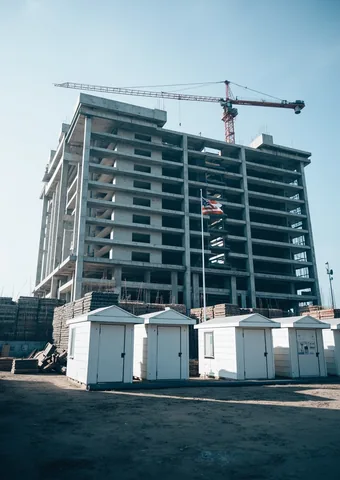
Ehitusplats ja väliteenistus
Run the site day
Close the day out properly: record the diary, book the labour and plant hours, upload the p…
4 sammu9 minAva
Mõõda töö üle enne selle kinnikatmist, lase kirje objektil üle kontrollida ja allkirjastada, muuda ajakohastatud kogused eelmise vastu jooksvaks arveks, ja käivita lepingus määratud maksetähtaeg.
5 sammu läbi platvormi - mida teete igas ja miks see loeb.
Measure the executed work item by item, on the standard method, and enter the up-to-date quantity beside the quantity carried from the previous bill. Take the measurements for excavation, reinforcement, concealed services and anything about to be covered before that happens, and note the date each was taken.
Miks: Covered work cannot be re-measured, only argued about. A measurement written on the day, against a dated entry, is worth more than any later reconstruction, and it is what makes the difference between a quantity that is checked and a quantity that is conceded or refused.
Check the measured quantities against the inspection records for the same work and hold back anything whose check is outstanding or failed, listing it so it can be picked up in the next bill rather than lost.
Miks: Measured and accepted are different states, and a bill that treats them as one is returned by the engineer with everything in it queried, including the parts that were fine. Separating them costs one column and saves a cycle.
Build the bill from the up-to-date quantities at contract rates, show what the previous bill paid, and carry the recoveries: the instalment of any mobilisation advance, the retention deducted this period, and anything paid earlier against materials brought to site and now built in.
Miks: Recoveries against advances are the part most often missed, and missing them twice turns into a payment the department claws back from a later bill without warning. Putting them on the face of the bill keeps both sides looking at the same running position.
Route the measurement record and the bill for signature by the contractor's representative and the engineer who checked the work, and keep the signed version with the bill it belongs to.
Miks: A signed measurement closes an item for good. An unsigned one stays open, travels forward through every later bill, and is reopened at final settlement when nobody remembers the work, which is the single most common reason an Indian final bill takes longer to agree than the job took to build.
Record the submission date and the period the contract allows for certification and for payment, and let the module show what is running and what is late.
Miks: Interest on delayed payment, where the contract provides for it, runs from a date that has to be proved. Tracking the date on every bill turns a claim you would rather not make into one you could make, which is usually enough for the conversation to go differently.
5 / 190 platvormi moodulit
Everything in this case follows how construction work is measured, priced and paid for in this market. The forms, the cost breakdown and the payment rules are the ones used there, not a generic version of them.
Standards it follows
You do not have to set any of that up by hand. The first time you open the platform it asks which market you work in. Choose this one and it sets the interface language, loads the matching cost database and records the cost classification, and it adds an example project you can open straight away.
The rule checks for this market come with the platform too. Switch them on once and an estimate that misses something the market expects is flagged while you are still working on it, not after the tender has gone out.
Close the day out properly: record the diary, book the labour and plant hours, upload the p…
Turn a question from the working face into a tracked request, drive it to the party who own…
Turn instructed extra work into a claim that gets paid: record the labour, plant and materi…