Lapangan dan proyek
Jalankan hari kerja di lokasi
Tutup hari kerja dengan benar: catat diary, bukukan jam kerja tenaga kerja dan alat berat, u…
4 langkah9 mntBuka
 ENEnglish
 DEDeutsch
 FRFrançais
 ESEspañol
 ES-MXEspañol (México)
 ITItaliano
 PTPortuguês
 NLNederlands
 PLPolski
 CSČeština
 RUРусский
 BGБългарски
 TRTürkçe
 SVSvenska
 NONorsk
 FISuomi
 DADansk
 ARالعربية
 ZH中文
 JA日本語
 KO한국어
 HIहिन्दी
 THไทย
 VITiếng Việt
 IDBahasa Indonesia
 RORomână
 HRHrvatski
 MNМонгол
 ETEesti
 BNবাংলা
 KKҚазақша
 KYКыргызча
 FILFilipino
 URاردو
 FAفارسی
 HEעברית
 ELΕλληνικά
Ambil konsumsi norma untuk pekerjaan yang benar-benar diselesaikan bulan itu, bandingkan dengan yang benar-benar dikeluarkan gudang, pisahkan kehilangan yang diizinkan dari kelebihan pemakaian sesungguhnya, minta setiap kelebihan pemakaian dijelaskan secara tertulis, dan tutup bulan dengan posisi kumulatif.
7 langkah di seluruh platform - apa yang Anda lakukan di setiap langkah dan mengapa itu penting.
For each position in the report, take the material consumption the norm fixes per unit of measure, and note which material the norm actually names, because anything substituted on site has to be converted to the normed material before it can be compared at all.
Mengapa: The first section of M-29 is the normative requirement, and it is derived rather than stated: the quantity of work multiplied by the norm per unit. Taking it from the norm instead of from last month's figure is the whole reason the comparison means anything.
Set the allowance for trimming, offcuts, breakage and transport loss for each material, so the difference between what was purchased and what was built into the work reads as a known figure rather than as an unexplained gap.
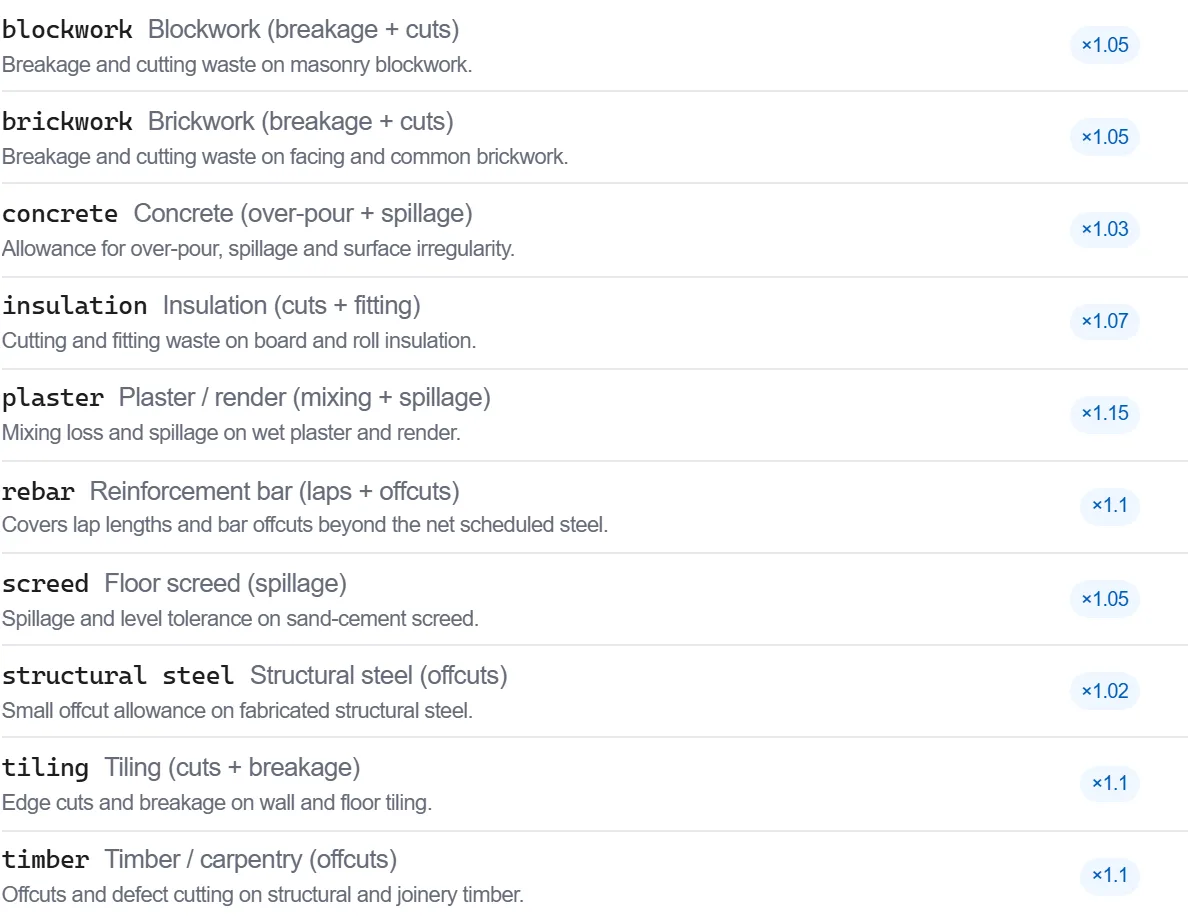
Mengapa: Part of the difference between norm and actual is not overrun: it is loss the norm already contemplates or that the delivered form of the material imposes. Mixing the two makes every position look like a problem, and a report in which everything is a problem stops being read.
Record the quantity of each type of work completed in the reporting month, measured in the same units and by the same rule the smeta uses, because this quantity is what the whole normative requirement is calculated from.
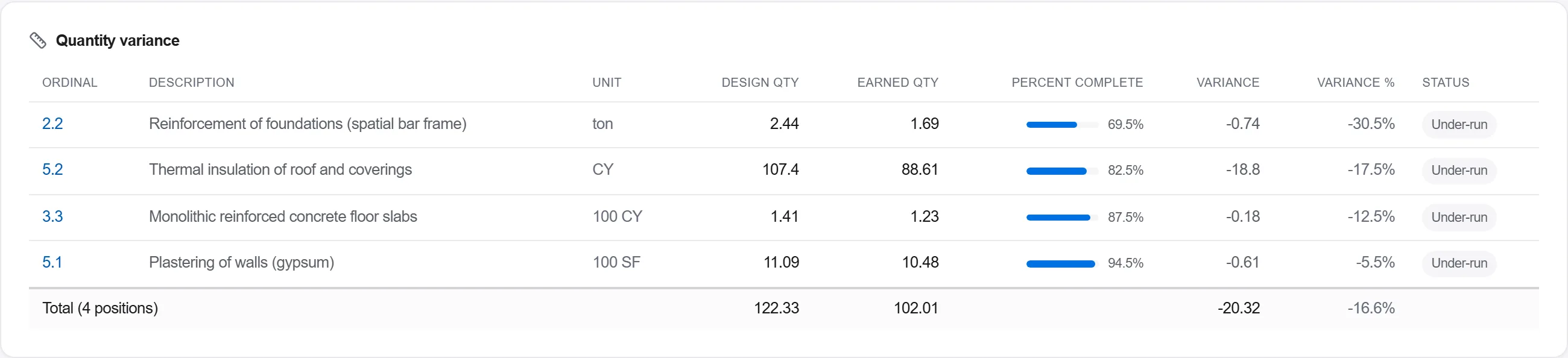
Mengapa: M-29 compares consumption against the norm for the work done, not for the work planned. An overstated volume hides a material overrun completely, which is exactly why the same measurement has to feed both the KS-2 act and this report rather than being produced twice.
Book the deliveries in, the issues out against each work position and the returns, then close the month with a physical stock check, so consumption means what left the store for that work rather than what was bought during the month.
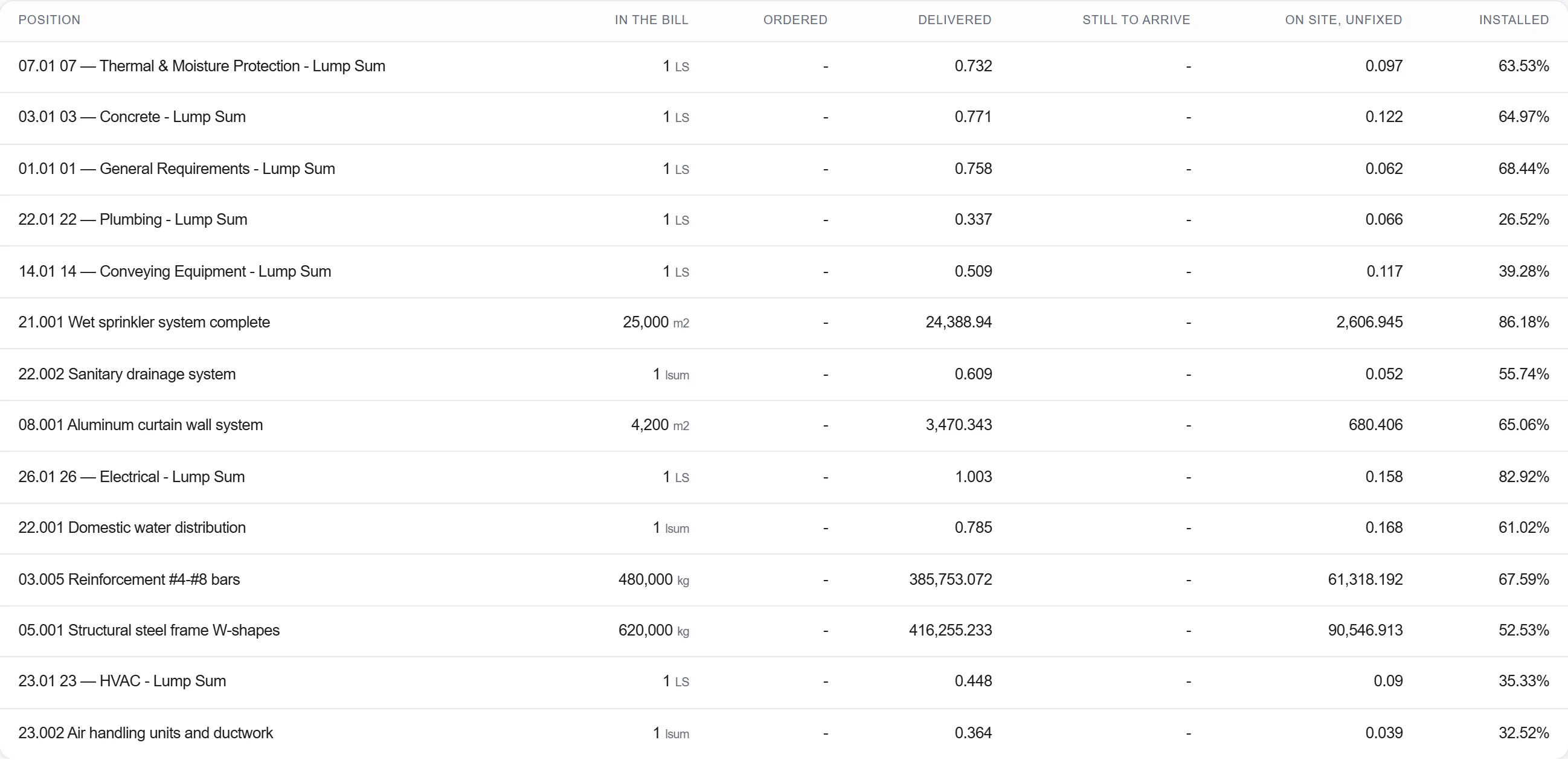
Mengapa: Purchased is not consumed. Material standing on site at the end of the month belongs to the next report, and treating a delivery as consumption produces an alarming overrun in one month and an impossible saving in the following one, which is how the report loses its credibility.
Set the actual consumption against the normative requirement for each material and each position: the post-calculation reads the material money the estimate allowed against what the store issued for the quantity installed, line by line, and the stock ledger behind it gives the physical difference per material. Sort the result by money rather than by percentage.
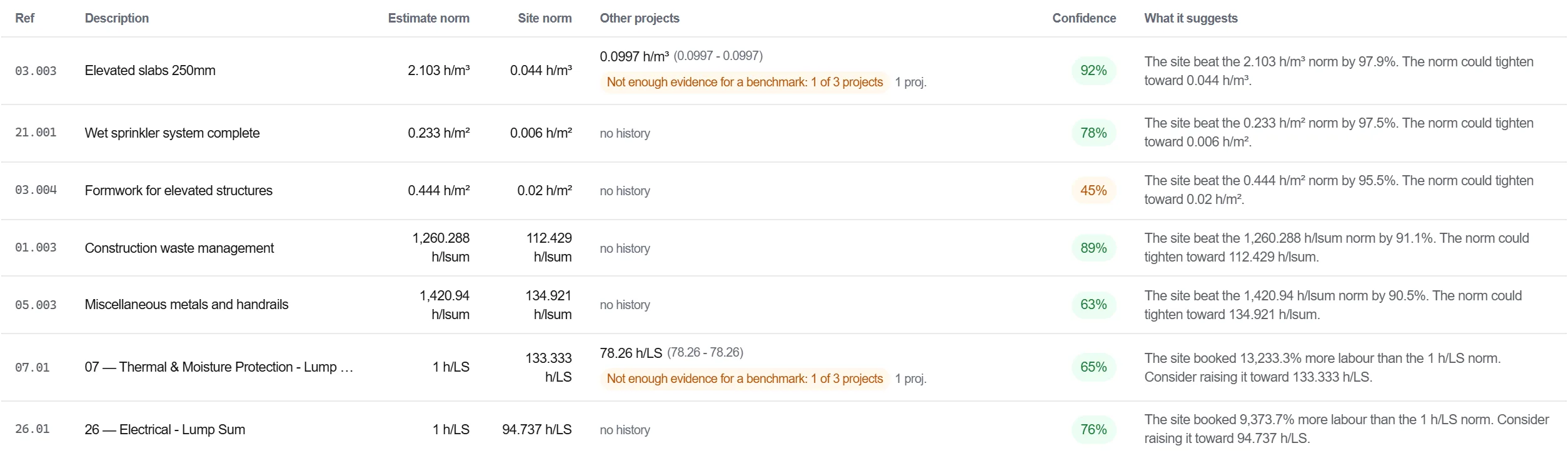
Mengapa: The second section of M-29 is exactly this comparison, and its value lies in being read by position. One concrete or reinforcement line can carry more overrun in roubles than every other position together, while a cheap material with a dramatic percentage swing costs almost nothing and pulls the whole discussion away from where the money went.
Route each overrun above the agreed threshold to the person who has to explain it, with the reason written down, and on to the person who has to accept or refuse that explanation. Keep the refused ones visible rather than closing them.
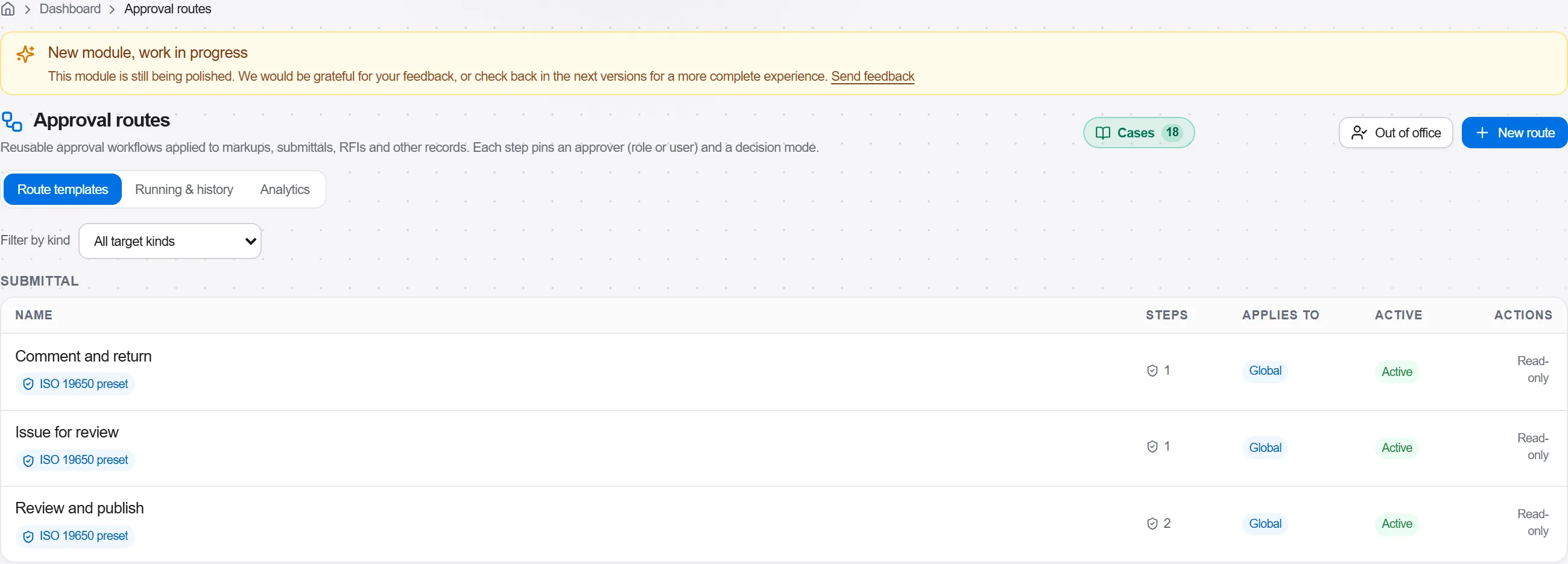
Mengapa: An overrun on M-29 is not written off by the site that caused it. The form is drawn up by the site manager, checked by the production and technical department and approved by the chief engineer, and that approval is what turns a number into either an accepted cost or a matter for recovery. Without a route, the explanation is a corridor conversation that nobody can produce six months later.
Issue the report with both sections, the normative requirement and the comparison against actual, with the explanations attached, and show the position from the start of the job next to the position for the month.
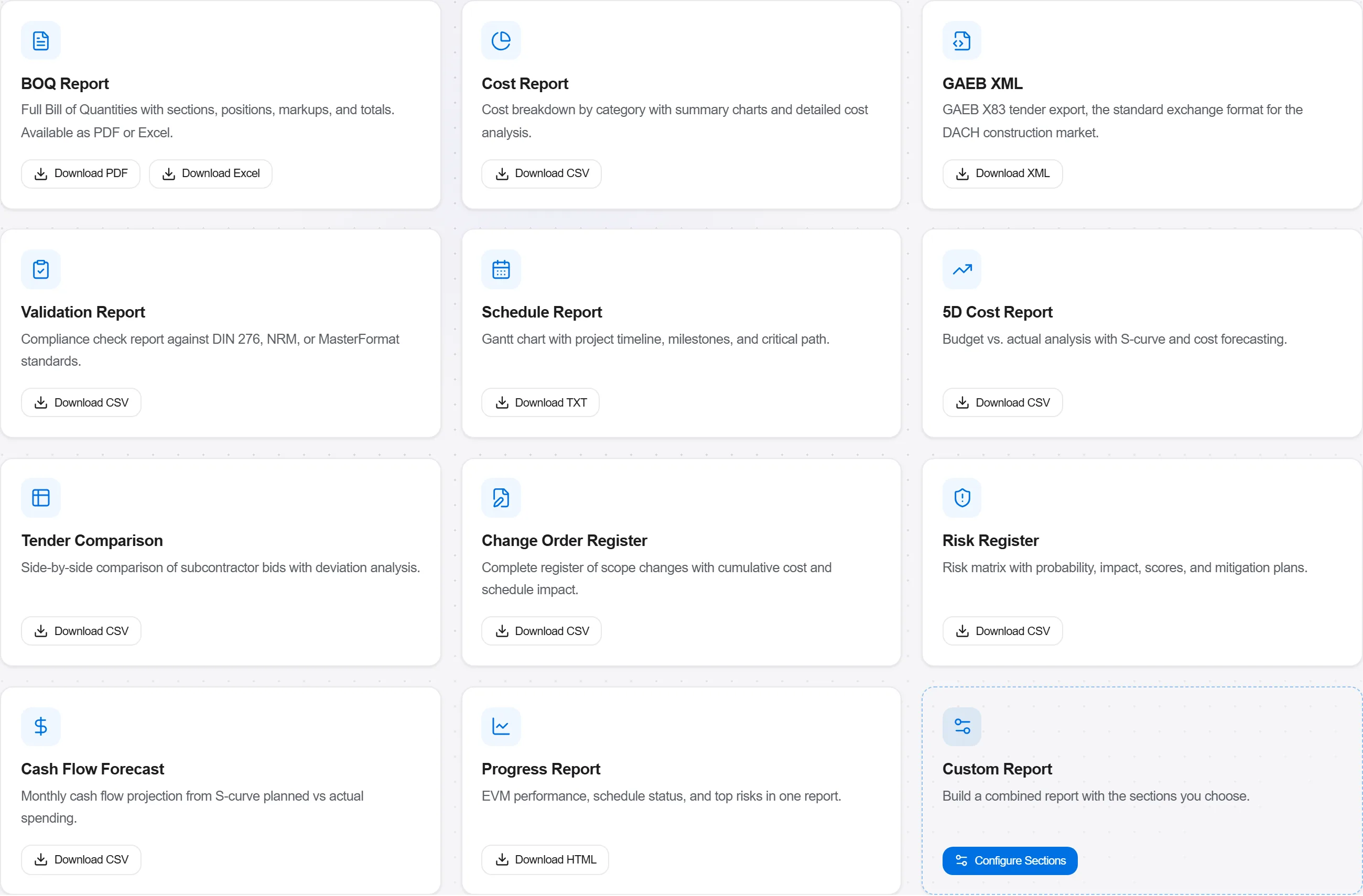
Mengapa: A single month is noise, the cumulative line is the finding. A position running three percent over every month for six months is invisible monthly and unmistakable cumulatively, and that cumulative figure is also what reconciles against the material cost the estimate budgeted in the first place.
7 / 190 modul platform
Everything in this case follows how construction work is measured, priced and paid for in this market. The forms, the cost breakdown and the payment rules are the ones used there, not a generic version of them.
Standards it follows
You do not have to set any of that up by hand. The first time you open the platform it asks which market you work in. Choose this one and it sets the interface language, loads the matching cost database and records the cost classification, and it adds an example project you can open straight away.
The rule checks for this market come with the platform too. Switch them on once and an estimate that misses something the market expects is flagged while you are still working on it, not after the tender has gone out.
Tutup hari kerja dengan benar: catat diary, bukukan jam kerja tenaga kerja dan alat berat, u…
Ubah pertanyaan dari lapangan menjadi permintaan terlacak, arahkan ke pihak yang berwenang m…
Ubah pekerjaan tambahan yang diperintahkan menjadi klaim yang benar-benar dibayar: catat ten…