Site & field
Answer an RFI
Turn a question from the working face into a tracked request, drive it to the party who own…
3 steps9 minOpen
 ENEnglish
 DEDeutsch
 FRFrançais
 ESEspañol
 ES-MXEspañol (México)
 ITItaliano
 PTPortuguês
 NLNederlands
 PLPolski
 CSČeština
 RUРусский
 BGБългарски
 TRTürkçe
 SVSvenska
 NONorsk
 FISuomi
 DADansk
 ARالعربية
 ZH中文
ZH中文 JA日本語
JA日本語 KO한국어
KO한국어 HIहिन्दी
 THไทย
THไทย VITiếng Việt
 IDBahasa Indonesia
 RORomână
 HRHrvatski
 MNМонгол
 ETEesti
 BNবাংলা
 KKҚазақша
 KYКыргызча
 FILFilipino
 URاردو
 FAفارسی
 HEעברית
 ELΕλληνικά
Close the day out properly: record the diary, book the labour and plant hours, upload the photos and log a safety observation, so the day survives as evidence you can lean on.
4 steps across the platform - what you do at each one, and why it matters.
Note the weather, the gangs and visitors on site, the work each area achieved and any hold-up such as a late delivery or a service strike. Written the same day, this is your contemporaneous record.
Why: A diary entry made on the day carries evidential weight that a reconstruction written months later never will. When a delay claim or a dispute lands, this is the first record the commercial team reaches for.
Book the hours each gang and every item of plant put in against this project, tagged to the right cost code so the spend lands where the budget expects it.
Why: Hours captured while the shift is fresh are hours you can bill, cost against the budget and check against output. Reconstructed at month end they turn into guesswork, and guesswork on labour is where margin quietly disappears.
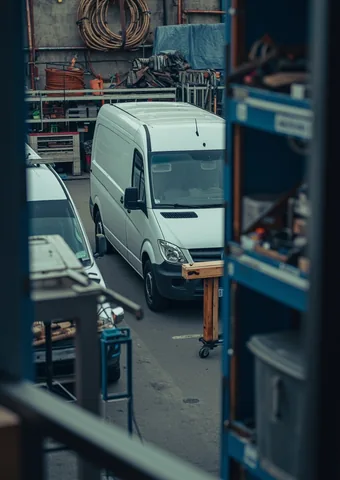
Add the day photos from the project files. They are tagged as site pictures and show up in the gallery, the day strip and the diary entry, dated and in sequence.
Why: A dated photo ends an argument that words drag out. It proves progress, records the condition you inherited and captures reinforcement or services before the pour or the plasterboard hides them for good.
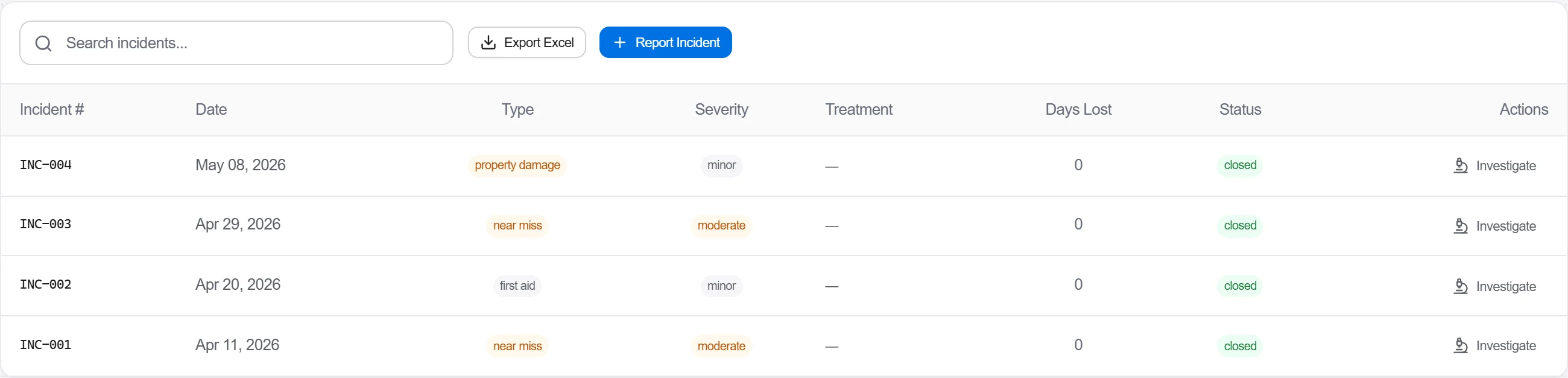
Log any hazard spotted, near miss reported or good practice worth repeating, and name who owns the close-out. Record the toolbox talk and who attended it here as well.
Why: What gets recorded gets acted on, and the trend across many small entries is what warns you before a serious event. A near miss written up today is often the injury you avoid next week.
4 / 190 platform modules
Turn a question from the working face into a tracked request, drive it to the party who own…
Turn instructed extra work into a claim that gets paid: record the labour, plant and materi…
Register a new drawing revision, mark the old one superseded, transmit it to every trade th…