
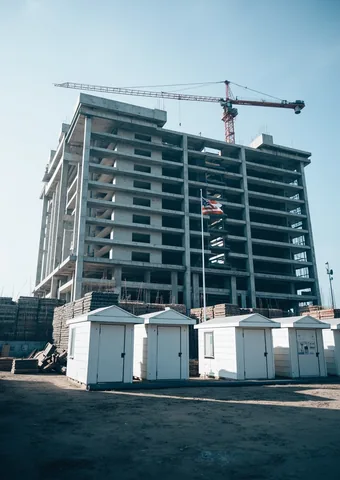
인계 및 생애주기
Hand over and close out
Finish the job cleanly: work the punch list to zero, confirm every inspection passed and no…
5단계14 분열기
건물 운영에 실제 숫자를 매깁니다. 유지관리 대상 자산을 나열하고, 계획 및 돌발 작업을 원가 데이터로 산정하며, 방어할 수 있는 첫 해 예산을 보고합니다.
플랫폼 전반에 걸친 3단계 - 각 단계에서 무엇을 하는지, 그리고 왜 중요한지.
유지관리 비용이 드는 자산을 대장에서 뽑고, 각각에 필요한 계획 정비와 그 주기를 기재하며, 고장 시 돌발 예비비가 필요한 것도 표시합니다.
이유: 자산 목록 없이 짠 예산은 추측입니다. 실제로 유지해야 하는 대상에서 출발하는 것이 그 숫자를 손가락으로 짚는 어림이 아닌 방어 가능한 것으로 만듭니다.
계획 정비 작업을 원가 데이터로 산정하고, 자산의 노후도와 중요도에 맞춘 돌발 예비비를 더하며, 대충 어림이 아니라 줄마다 연간 원가를 쌓아 올립니다.
이유: 허공에서 뽑은 유지관리 예산은 3개월째에 터지는 예산입니다. 실제 단가로, 계획에 합리적인 돌발 예비비를 더해 산정하는 것이 실제 한 해와 부딪혀도 버티게 합니다.
계획과 돌발을 구분하여 자산별, 월별로 나눈 예산을 보고하여, 재무팀이 무엇이 예산을 좌우하는지, 현금이 한 해 동안 언제 실제로 나가는지 볼 수 있게 합니다.
이유: 단일 총액 예산은 재무팀에 아무것도 말하지 않고 아무것도 방어하지 못합니다. 자산과 월별로 나누는 것이 승인을 받고 한 해 동안 지출을 추적하게 합니다.
플랫폼 190개 모듈 중 3개
Finish the job cleanly: work the punch list to zero, confirm every inspection passed and no…
Pull the as-built record together, prove the quality file has no gaps, then issue an operat…
Walk the finished works with the client, record what passes and what does not against the a…