
Estimating & costing
Price a building from a PDF
Start from a flat PDF drawing and finish with a priced, validated estimate ready to export.…
5 steps15 minOpen
 ENEnglish
 DEDeutsch
 FRFrançais
 ESEspañol
 ES-MXEspañol (México)
 ITItaliano
 PTPortuguês
 NLNederlands
 PLPolski
 CSČeština
 RUРусский
 BGБългарски
 TRTürkçe
 SVSvenska
 NONorsk
 FISuomi
 DADansk
 ARالعربية
 ZH中文
ZH中文 JA日本語
JA日本語 KO한국어
KO한국어 HIहिन्दी
 THไทย
THไทย VITiếng Việt
 IDBahasa Indonesia
 RORomână
 HRHrvatski
 MNМонгол
 ETEesti
 BNবাংলা
 KKҚазақша
 KYКыргызча
 FILFilipino
 URاردو
 FAفارسی
 HEעברית
 ELΕλληνικά
Price the cost of running the job itself - site staff, welfare, plant, scaffolding and insurances - split into time-related and fixed and driven by the programme, then carry it into the bill.
4 steps across the platform - what you do at each one, and why it matters.
Build the list of everything it takes to run the site: management and supervision, welfare and cabins, temporary services, common plant, scaffolding, security, insurances and bonds.
Why: The items you forget in prelims are the ones you fund out of profit. A complete checklist read against the contract is the difference between a covered site and a leaking one.
Mark each item as time-related or fixed, then price the time-related ones per week against the programme duration and the fixed ones as one-off set-up and removal.
Why: Splitting them this way is what lets prelims flex if the programme moves. If the job runs four weeks late, you can show exactly what the extra time costs instead of guessing.
Look at the staff, plant and cabins the prelims imply in the resource summary and sanity check the headcount curve against the programme peaks.
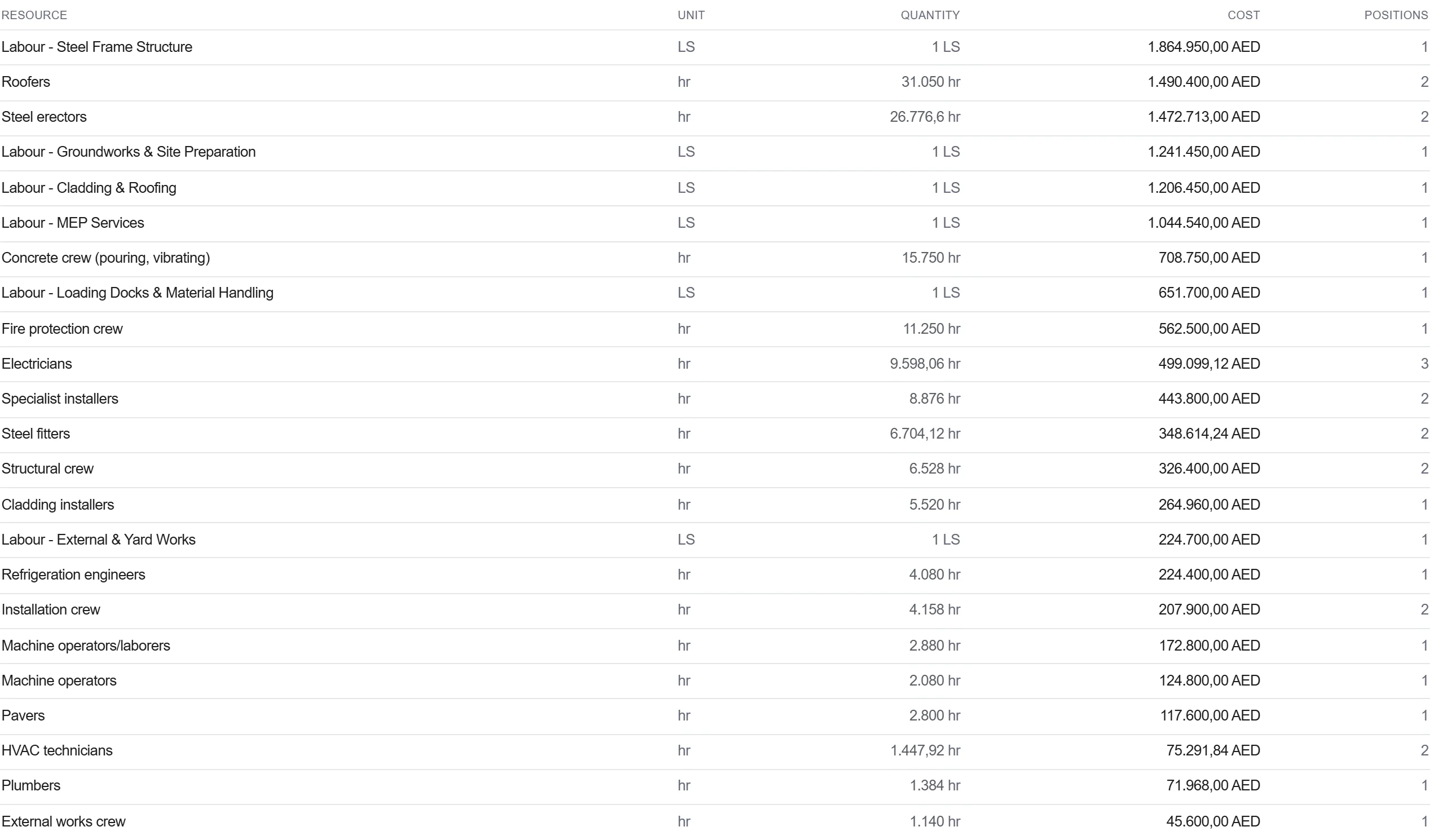
Why: A prelims price that needs three site managers in a quiet month is a warning. Seeing the resource curve catches a double count or a gap before it reaches the tender total.
Bring the prelims total into the bill as its own section, kept separate from measured work, and read it back as a percentage of the works value.
Why: Keeping prelims visible as their own line lets a reviewer benchmark them at a glance. Burying them in the rates hides the one number a client always wants to test.
3 / 190 platform modules
Start from a flat PDF drawing and finish with a priced, validated estimate ready to export.…
Put a priced bill through the validation rules, clear every warning and error, then export…
Pull priced items from a real cost database, build the bill from them, bundle recurring bui…